








Feeding a horse correctly is one of the most important responsibilities of any horse owner. Get it wrong and you risk weight loss, digestive issues, poor performance, and serious conditions like colic or laminitis. Get it right and your horse thrives — with a shiny coat, steady energy, and a long, healthy life.
This guide covers everything you need to know about horse nutrition in the Australian context, from the basics of forage to the supplements worth investing in.
Understanding a Horse’s Digestive System
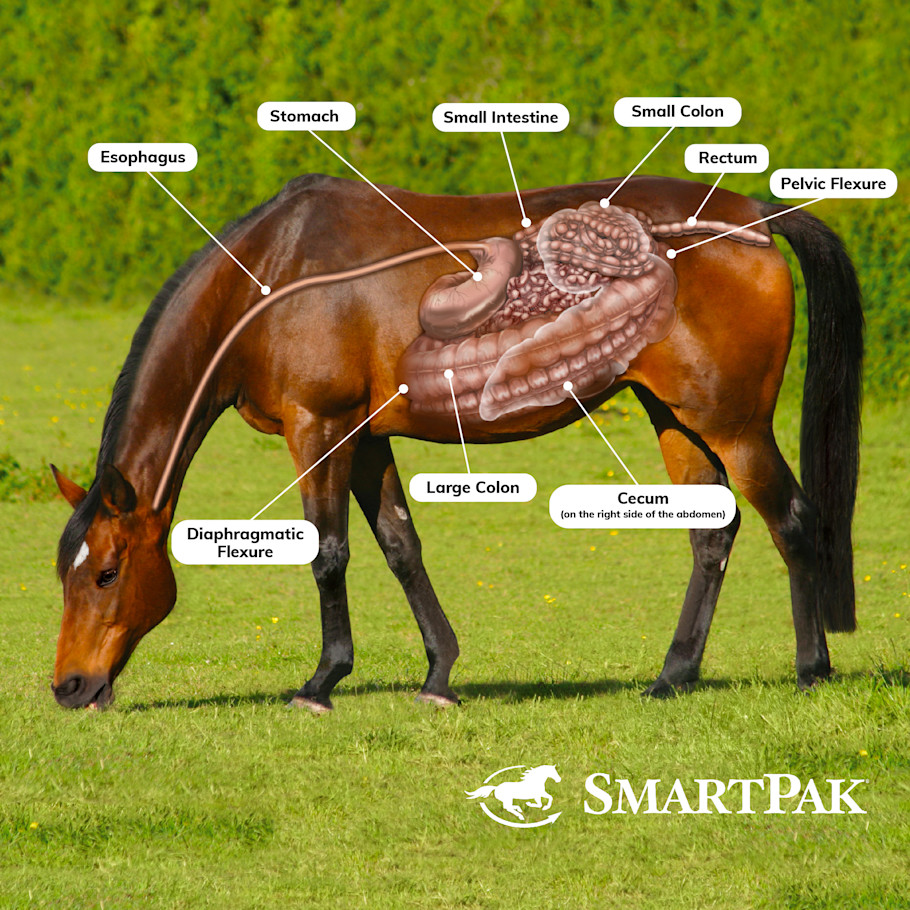
Before diving into what to feed, it helps to understand how a horse digests food. Horses are non-ruminant herbivores with a relatively small stomach — designed to eat small amounts continuously throughout the day, not large meals twice daily.
Their hindgut (cecum and large colon) is where the real magic happens: fibre is fermented by microbes to produce volatile fatty acids, which supply much of the horse’s energy. This is why sudden dietary changes are so dangerous — they disrupt the microbial population and can lead to colic or laminitis.
Key takeaway: Always make dietary changes gradually over 7–14 days.
The Foundation: Forage First
Forage — hay, pasture grass, or chaff — should make up the bulk of any horse’s diet. The rule of thumb is 1.5–2% of body weight in forage per day. For a 500 kg horse, that’s 7.5–10 kg of dry forage daily.
Types of Hay Common in Australia
Oaten hay is one of the most popular choices for Australian horse owners. It’s palatable, relatively low in sugar, and suitable for most horses in light to moderate work. It’s a good baseline hay for spelling horses and those prone to laminitis.
Lucerne (alfalfa) hay is high in protein and calcium, making it excellent for growing horses, broodmares, and horses in hard work. However, it’s calorie-dense and can contribute to weight gain and behavioural issues (excitability) if overfed. Use it as a supplement to, rather than a replacement for, grass hay.
Wheaten hay is similar to oaten hay but slightly higher in energy. It suits horses in moderate work and is often more affordable in grain-growing regions.
Rhodes grass hay and other tropical grasses are common in Queensland and northern Australia. They’re lower in protein than temperate hays but still useful as a forage base — particularly for horses that need to maintain weight without too many calories.
Pasture hay — baled from paddock grass — varies enormously in nutritional value depending on species, season, and harvest timing. Always request a hay analysis if you’re buying in bulk.
Signs of Good Quality Hay
- Fresh smell (no mustiness or mould)
- Green colour (not bleached pale yellow)
- Leafy, not overly stemmy
- Free of dust, weeds, and foreign material
- Soft texture (not coarse or sharp)
Avoid feeding mouldy hay at all costs — mould can cause respiratory disease and digestive upset.
Grains and Hard Feeds
Most horses in light work don’t need grain at all — good quality forage is sufficient. However, horses in moderate to heavy work, growing youngsters, lactating mares, and hard keepers often benefit from additional calories and nutrients from hard feed.
Common Grain Options
Oats are the traditional horse grain and for good reason. They’re palatable, digestible, and relatively safe compared to other cereals. They can be fed whole, though steam-rolled oats improve digestibility. Oats are high in fibre relative to other grains, which reduces the risk of digestive upset.
Barley is more energy-dense than oats and is best fed processed (rolled, steam-flaked, or micronised) to improve digestibility. It’s useful for horses that need more calories without increasing feed volume.
Corn (maize) is the most energy-dense common grain and should be used sparingly. It’s low in protein and fibre, and feeding too much can cause digestive disturbances. Always feed processed corn, never whole.
Commercially Prepared Feeds
For most horse owners, commercial pellets and sweet feeds take the guesswork out of balancing rations. Look for feeds that are:
- Appropriate for your horse’s workload (maintenance, performance, breeding, etc.)
- Manufactured by reputable Australian brands
- Free of prohibited substances if competing under FEI or EA rules
Popular Australian brands include Hygain, Mitavite, Barastoc, and Pryde’s EasiFeed — all of which produce feeds tailored to different life stages and workloads.
Water: The Most Critical Nutrient
Water is often overlooked but is the single most important nutritional requirement. Horses need 30–50 litres of water per day under normal conditions — and significantly more in hot weather or during hard work.
Always ensure:
- Fresh, clean water is available 24/7
- Troughs are scrubbed regularly to prevent algae and contamination
- Water sources don’t freeze in cold climates (relevant in alpine areas of Victoria, NSW, and Tasmania)
- Horses drink adequately after exercise — some horses are reluctant drinkers when hot; offer small amounts frequently
A horse that’s drinking less than usual may be in pain, have a dental issue, or be off-colour — monitor water intake as a key health indicator.
Supplements: What’s Worth It?
The supplement market for horses is enormous, and not everything on the shelf is necessary. Here’s a practical breakdown:
Salt
The most overlooked and most important supplement. Horses lose significant sodium and chloride through sweat, and most Australian pastures and hay are deficient in salt. Adding 30–60 g of plain salt (sodium chloride) to the daily feed is the single cheapest and most beneficial supplement you can provide. Alternatively, offer a loose salt lick.
Vitamin E and Selenium
These two work together as antioxidants. Australian soils are notoriously selenium-deficient in many regions, and horses that don’t have access to fresh green pasture may be low in Vitamin E. Signs of deficiency include muscle weakness, poor coat condition, and in severe cases, white muscle disease.
Important: Selenium is toxic in excess — never supplement above recommended levels without a blood test confirming deficiency.
Magnesium
Magnesium deficiency has been linked to “fizzy” or anxious behaviour in horses, muscle cramping, and poor stress tolerance. It’s particularly worth considering for horses on high-sugar pastures in spring and autumn, or for horses that have a nervous temperament.
Omega-3 Fatty Acids
Horses evolved eating fresh grass, which is naturally high in omega-3 fatty acids. Conserved forages (hay) lose much of their omega-3 content during drying. Supplementing with linseed (flaxseed) meal, chia seeds, or a commercial omega-3 product can improve coat quality, reduce inflammation, and support joint health.
Joint Supplements
For older horses, performance horses, or those with known joint issues, supplements containing glucosamine, chondroitin, and hyaluronic acid may offer benefit. The evidence base is mixed, but many horse owners and vets report positive results.
Common Feeding Mistakes to Avoid
Feeding too much grain, not enough forage. This is the most common mistake and a major risk factor for colic and laminitis. Always forage first.
Making sudden feed changes. Whether switching hay types or introducing a new grain, always transition over 7–14 days minimum.
Feeding on the ground vs a feeder. Feeding from the ground mimics natural grazing posture and is actually beneficial for the respiratory tract. However, in sandy soils, it increases the risk of sand colic — use a mat or feeder in these conditions.
Ignoring body condition score. Assess your horse’s body condition score (BCS) regularly on a 1–9 scale. Aim for 5 for most horses. Overweight horses are at elevated risk of laminitis, insulin dysregulation, and metabolic issues.
Not accounting for dental health. A horse with poor teeth can’t chew forage effectively, leading to weight loss and choke risk. Schedule dental checks at least annually — every six months for older horses.
Feeding by Life Stage
Foals and weanlings — Growing horses have high protein and mineral requirements. Creep feeds designed for young horses provide balanced nutrition alongside mare’s milk or pasture.
Yearlings and two-year-olds — Still growing rapidly, with high calcium and phosphorus needs. Avoid overfeeding energy, which can contribute to developmental orthopaedic disease (DOD).
Adult horses in work — Requirements vary from light riding (maintenance diet plus a ration balancer) through to elite competition horses needing dense, high-calorie rations.
Broodmares — Requirements spike dramatically in the last trimester and during lactation. Ensure adequate calcium, phosphorus, and protein.
Senior horses (18+) — Teeth and digestive efficiency decline with age. Soaked hay cubes, beet pulp, and senior feeds that are easily chewed and digested help maintain condition.
Final Thoughts
Good nutrition is the foundation of horse health and performance. Start with quality forage, provide clean water at all times, add hard feed only when genuinely needed, and supplement strategically rather than speculatively. When in doubt, consult your equine vet or an equine nutritionist — many offer feed assessments that can save you money and prevent costly health problems down the track.
Disclaimer: This article is intended as general educational guidance. Always consult a qualified equine veterinarian or nutritionist for advice specific to your horse’s individual needs.